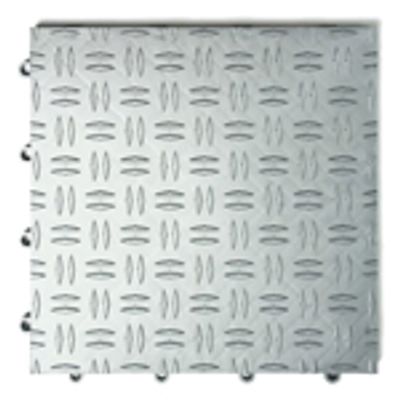
Flooring (Case Study)
Academic Case Study: Development of Halogen-Free Polyolefin Compounds for Interlocking Industrial Flooring Tiles
A Case Study in Materials Substitution for Injection Molded Flooring Applications
Authors: Howard Bradshaw and Thomas A. Guerriero, PhD
Abstract
This case study examines a collaborative development initiative between a specialty thermoplastic compound manufacturer (hereinafter "the Compound Manufacturer") and a manufacturer of interlocking industrial flooring systems (hereinafter "the OEM"). The project focused on developing non-halogenated polyolefin compounds to replace flexible polyvinyl chloride (PVC) in injection molded flooring tile applications. The collaboration achieved significant technical milestones, including successful demonstration of injection molding processability and material performance parity with incumbent PVC systems. The case illustrates the challenges of competing in cost-sensitive commodity markets despite technical feasibility, highlighting the importance of market timing and pricing dynamics in commercialization decisions for sustainable material alternatives.
Keywords: flame-retardant polymers, industrial flooring, injection molding, polyolefin, PVC replacement, sustainable materials, collaborative R&D
1. Introduction and Industry Context
1.1 Flooring Materials and Environmental Considerations
Industrial flooring systems play critical roles in manufacturing facilities, warehouses, and commercial environments where durability, ease of installation, and worker safety are paramount. Interlocking floor tile systems have gained market acceptance due to their modular installation, repairability, and reduced downtime compared to traditional adhered flooring systems. These applications require materials that maintain mechanical performance under rolling loads and impact, chemical resistance to industrial fluids and cleaning agents, processability for high-volume injection molding manufacturing, and increasingly, environmental profiles that reduce reliance on halogenated polymer systems.
Polyvinyl chloride (PVC) has historically dominated the interlocking floor tile market due to its favorable cost-performance profile, flexibility characteristics, and established processing infrastructure. However, regulatory and market pressures increasingly drive interest in halogen-free alternatives that offer reduced environmental impact without compromising performance (Levchik & Weil, 2006).
1.2 Technical Challenges in PVC Replacement
Replacing flexible PVC in injection molded flooring applications presents multiple technical challenges. PVC compounds offer inherent flame retardancy, established plasticization characteristics for flexibility control, and broad processing windows suitable for complex mold geometries. Alternative polyolefin systems must replicate these performance characteristics while offering competitive economics and improved environmental profiles. The classification systems for flooring materials evaluate dimensional stability, compression resistance, chemical resistance, and installation characteristics—all of which must be maintained or improved upon to achieve market acceptance.
1.3 Research Objectives
This case study analyzes the collaborative development process for a halogen-free polyolefin compound system designed for injection molded interlocking floor tiles. The research questions include: What formulation approaches enable polyolefin compounds to match the aesthetic and mechanical performance of flexible PVC in flooring applications? How do processing characteristics of alternative materials interact with existing manufacturing equipment designed for PVC systems? What economic and market factors influence commercial viability despite technical feasibility? How can collaborative relationships between compound manufacturers and flooring manufacturers facilitate sustainable material transitions?
2. Methodology and Data Sources
This case study employs qualitative, document-based research methodology drawing upon primary source materials including: Mutual Confidentiality Agreement; Technical correspondence; Sample evaluation documentation; and Internal technical documentation. The analysis maintains confidentiality of proprietary formulation details through anonymization of specific additive packages, processing parameters, and commercial terms, consistent with the confidentiality obligations documented in the underlying agreements.
3. Case Background and Organizational Context
3.1 The Compound Manufacturer Profile
The Compound Manufacturer operated as a specialty thermoplastic compounder with particular expertise in intumescent flame-retardant systems for polyolefin applications. The organization had developed proprietary additive technologies (internally designated as "PAL...The Clean Plastic") enabling polypropylene and polyethylene compounds to achieve performance characteristics competitive with conventional halogenated systems. Key technical capabilities included intumescent flame-retardant masterbatch formulation, polyolefin modification for enhanced mechanical and aesthetic properties, processing aid development for manufacturing optimization, and application-specific compound customization.
The company's technology platform emphasized "clean" polymer solutions, positioning its products as environmentally preferable alternatives to conventional PVC and halogenated systems. The organization had received industry recognition for its innovative approaches to sustainable material development.
3.2 The OEM Profile
The OEM specialized in manufacturing interlocking modular flooring systems for industrial and commercial applications, including manufacturing facilities, warehouses, maintenance areas, and commercial spaces requiring durable, easily installed flooring solutions. The organization had developed patented interlocking technologies enabling tool-free installation and individual tile replacement.
The organization operated injection molding production lines capable of processing thermoplastic compounds into complex interlocking geometries. The OEM's market position required materials that could meet diverse performance specifications while maintaining cost competitiveness in a price-sensitive flooring market.
3.3 Initial Engagement
The collaboration originated from the OEM's interest in exploring halogen-free alternatives to their established PVC-based flooring tile formulation. The OEM sought a compound system that would emulate the look, feel, and performance characteristics of their existing PVC tiles, process on existing injection molding equipment without significant modification, and offer potential for future flame-retardant certification if market conditions warranted.
The engagement moved from initial technical inquiry to active sample evaluation, reflecting the exploratory nature of materials substitution for this application.
4. Collaborative Framework and Governance
4.1 Confidentiality Agreement
The collaboration operated under a Mutual Confidentiality Agreement establishing the legal framework for information exchange while protecting each party's proprietary interests. Key provisions included: Definition of Confidential Information encompassing all technical, engineering, operational, business, and economic information, specifically including formulations and additive packages, processing conditions and equipment, product samples and production quantities, and terms and nature of the collaborative relationship. Use Limitations restricted information to evaluation of formulated polymers for potential commercial trade, with specific prohibition on reverse engineering except as necessary for determining material suitability. The agreement established multi-year confidentiality obligations. The agreement explicitly preserved all intellectual property rights, with neither party constrained from developing independent innovations.
4.2 Governance Structure
The collaboration operated through direct technical engagement between the Compound Manufacturer's development team and the OEM's product development and manufacturing personnel. The development process involved sample provision, processing trials, and iterative feedback on performance characteristics.
5. Technical Development and Evaluation
5.1 Formulation Development Approach
The Compound Manufacturer developed polyolefin-based compound formulations designed to match the specific gravity, flexibility, and aesthetic characteristics of the OEM's incumbent PVC system. The formulation approach incorporated polyolefin base resin for reduced specific gravity compared to PVC, intumescent additive system providing potential flame-retardant capability, processing aids for injection molding optimization, and stabilization package for manufacturing and end-use durability.
The development target focused on achieving processing characteristics and finished product aesthetics comparable to the PVC compound with specific gravity of 1.25, while leveraging the inherent specific gravity advantages of polyolefin systems.
5.2 Sample Evaluation Methodology
The qualification program involved sample provision and injection molding trials on the OEM's production equipment. The evaluation process included:
Equipment Configuration: Standard injection molding machines configured for PVC processing, existing mold tooling designed for interlocking tile geometry, and standard material handling and drying systems.
Material Specifications: Experimental polyolefin compound with specific gravity below that of incumbent PVC, packaged for moisture protection, and processable at conventional polyolefin temperature profiles.
Process Protocol: Machine conditioning and parameter adjustment for polyolefin processing, molding trial to establish process window and cycle time compatibility, evaluation of surface finish and dimensional consistency, and assessment of interlocking feature formation and functionality.
5.3 Processing and Performance Results
The sample evaluation demonstrated successful injection molding processability of the polyolefin compound on equipment previously dedicated to PVC processing. Key findings included:
The material injection molded effectively into the complex interlocking geometry, producing parts with surface finish and flexibility characteristics comparable to the PVC incumbent. The specific gravity differential between the polyolefin compound and PVC incumbent offered potential for material cost reduction on a per-part basis, though this advantage was partially offset by differences in processing parameters and cycle time considerations.
Visual and tactile evaluation confirmed aesthetic parity with the incumbent material, including surface gloss, colorability, and flexibility characteristics essential for installation and underfoot comfort.
5.4 Fire Performance Considerations
The OEM indicated potential interest in achieving ASTM E84 flame spread classification at some future point, which would enable specification in applications requiring documented fire performance. However, the additional cost associated with flame-retardant formulation was not pursued due to pricing pressures in the competitive flooring market. The base polyolefin formulation provided a platform capable of flame-retardant enhancement if market conditions changed to support the associated cost premium.
6. Commercial Assessment and Outcome
6.1 Market Positioning Analysis
The technical feasibility of PVC replacement was established through successful sample evaluation and processing trials. The polyolefin compound offered specific advantages including reduced specific gravity enabling material cost optimization, halogen-free composition addressing environmental and regulatory trends, and processing compatibility with existing manufacturing infrastructure.
However, commercial implementation faced significant market challenges. The flooring tile market exhibited extreme price sensitivity, with commodity pricing pressures driving margins to levels insufficient to support the cost differential of specialized compound formulations. The OEM's market position required competitive pricing against established PVC-based products, limiting ability to absorb premium material costs despite technical and environmental benefits.
6.2 Project Conclusion
The collaborative development achieved its technical objectives—demonstrating that polyolefin compounds could match PVC performance in injection molded flooring applications—while failing to achieve commercial viability due to market pricing dynamics. The project was suspended when pricing pressures in the floor covering industry drove costs down further in non-flame-retardant applications, eliminating the commercial opportunity despite technical success.
7. Discussion and Analysis
7.1 Technical Feasibility vs. Commercial Viability
This case illustrates a common challenge in sustainable materials development: technical feasibility does not guarantee commercial success. The Compound Manufacturer successfully developed a polyolefin formulation that met or exceeded PVC performance in key metrics including aesthetics, processability, and specific gravity. The injection molding trials demonstrated that equipment transition from PVC to polyolefin processing was achievable without capital investment.
However, the flooring tile market's commodity nature and intense price competition created conditions where even modest material cost premiums could not be absorbed or passed to customers. This dynamic highlights the importance of market selection in sustainable materials commercialization.
7.2 Processing and Equipment Compatibility
The successful injection molding trials revealed important insights regarding equipment flexibility. The OEM's standard injection molding machines, configured for PVC processing, accommodated the polyolefin compound with parameter adjustments rather than hardware modifications. This suggests potential for material substitution in installed equipment bases, reducing barriers to adoption if economic conditions become favorable.
The complex interlocking geometry of the flooring tiles served as a rigorous test of material flow characteristics and mold filling behavior. The polyolefin compound's successful formation of these features demonstrated that halogen-free alternatives can achieve the processing sophistication required for demanding applications.
7.3 Environmental Positioning and Market Timing
The case highlights the tension between environmental positioning and market readiness. The OEM's interest in halogen-free alternatives reflected awareness of regulatory and sustainability trends, yet immediate market conditions did not support premium pricing for environmental benefits. This suggests that sustainable material transitions in commodity markets may require regulatory drivers or customer willingness to pay for sustainability attributes rather than relying on voluntary adoption.
The potential for future ASTM E84 certification represented a strategic option—maintaining capability to address fire-performance markets if pricing structures evolved or regulatory requirements changed. This platform approach to formulation development preserves commercial flexibility while addressing immediate market realities.
7.4 Collaborative Development Value
The case illustrates both the potential and limitations of supplier-customer collaboration in materials development. The direct technical engagement enabled rapid feedback on processing characteristics and performance attributes, accelerating formulation optimization. The Compound Manufacturer's willingness to develop application-specific compounds demonstrated commitment to the OEM's success beyond transactional supply relationships.
However, the collaboration also revealed the boundaries of technical solutions to economic challenges. Neither party's technical capabilities could overcome market pricing structures that rendered the material substitution economically unviable despite performance parity.
8. Conclusions and Implications
8.1 Key Findings
This case study demonstrates that: (1) Non-halogenated polyolefin compounds can achieve performance parity with flexible PVC in complex injection molded flooring applications, including aesthetic characteristics and processing behavior; (2) Specific gravity advantages of polyolefin systems offer potential material cost benefits that may be offset by market pricing structures in commodity applications; (3) Manufacturing equipment designed for PVC processing can accommodate polyolefin alternatives with parameter adjustment rather than capital investment; (4) Market pricing dynamics in commodity flooring markets can prevent commercialization of technically viable sustainable alternatives; and (5) Collaborative development relationships enable rapid technical assessment but cannot overcome fundamental market economic constraints.
8.2 Industry Implications
For specialty compound manufacturers, this case underscores: the importance of market selection in sustainable materials development, as technical feasibility does not ensure commercial viability; the value of maintaining formulation platforms capable of enhancement (e.g., flame-retardant upgrade) to address evolving market requirements; and the necessity of understanding customer market dynamics beyond immediate technical specifications.
For flooring manufacturers, the case highlights: the technical feasibility of PVC replacement in established product lines, suggesting readiness for regulatory or market-driven material transitions; the competitive constraints that pricing pressures impose on sustainable material adoption; and the strategic value of maintaining supplier relationships that enable rapid response to changing market conditions.
For the broader construction materials industry, the case contributes to understanding barriers to sustainable material adoption, demonstrating that environmental benefits alone may be insufficient to drive market transition in the absence of regulatory requirements or customer willingness to pay premiums for sustainability attributes.
8.3 Future Research Directions
This case suggests several avenues for subsequent investigation: analysis of market conditions and pricing structures that would enable commercial viability of PVC alternatives in flooring applications; comparative life-cycle assessment of PVC versus halogen-free polyolefin flooring systems considering end-of-life and recycling characteristics; processing optimization studies to minimize cycle time differentials between PVC and polyolefin compounds in existing equipment; and examination of regulatory developments that might create market drivers for halogen-free flooring materials.